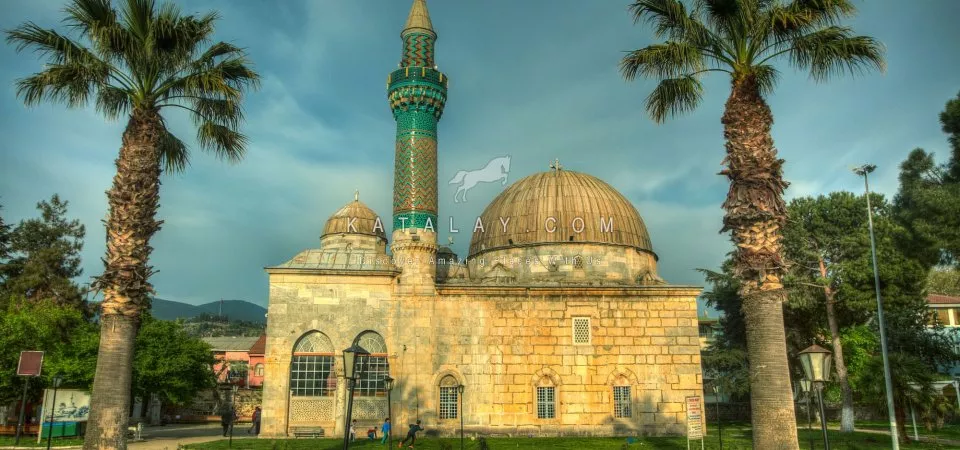
In the historic heart of Bursa, the Green Mosque (Yesil Cami) and the Green Mausoleum (Yesil Turbe) stand as two of the most meaningful monuments from the early Ottoman period. Known for their elegant architecture, detailed decoration, and calm spiritual atmosphere, these structures reflect a time when art, faith, and daily life were deeply connected.
Why Are the Green Mosque and Green Mausoleum So Important in Ottoman History?
Both monuments were built in the early 15th century during the reign of Sultan Mehmed I, a ruler who helped restore unity to the Ottoman state. Their construction symbolized renewal, stability, and a new artistic vision that later influenced many Ottoman cities. Because of this historical role, the Green Mosque complex is considered one of the foundations of classical Ottoman architecture.
Visitors today are not only seeing beautiful buildings, but also the beginning of an artistic tradition that shaped centuries of cultural history.
What Makes the Architecture of the Green Mosque Unique?
The interior of the Green Mosque is famous for its delicate tile work, balanced geometric patterns, and elegant calligraphy. Soft natural light enters through carefully placed windows, creating a peaceful and reflective atmosphere inside the prayer hall. Every decorative element was designed to combine beauty with spiritual meaning rather than simple visual richness.
- Fine turquoise and green tile decoration.
- Symmetrical architectural balance and harmony.
- Detailed Arabic calligraphy and ornamental design.
- A calm interior space encouraging quiet reflection.
What Can You See Inside the Green Mausoleum?
Located just across from the mosque, the Green Mausoleum is the resting place of Sultan Mehmed I. Its exterior is covered with striking turquoise-green tiles that give the monument its well-known name. Inside, visitors find traditional Ottoman decorative art, symbolic motifs, and a peaceful silence that reflects respect for the past.
The mausoleum does not feel like a museum piece. Instead, it feels like a living memory preserved within the modern city.
How Do These Monuments Shape the Spirit of Bursa Today?
Beyond their architectural beauty, the Green Mosque and Green Mausoleum continue to influence the cultural identity of Bursa. They represent a moment when the city became a center of art, spirituality, and learning. Even today, visitors often describe a quiet emotional connection when standing within this historic complex.
This sense of continuity between past and present is one of the reasons why Bursa feels different from many other historic destinations.
Can You Visit the Green Mosque and Uludag in the Same Day?
Because Bursa’s historic center and the natural slopes of Uludag are located close to one another, many travelers choose to explore both cultural and natural highlights within a single day. Guided experiences make this possible by combining transportation, historical visits, and mountain scenery into one comfortable journey.